01
Wildfire & smoke exposure
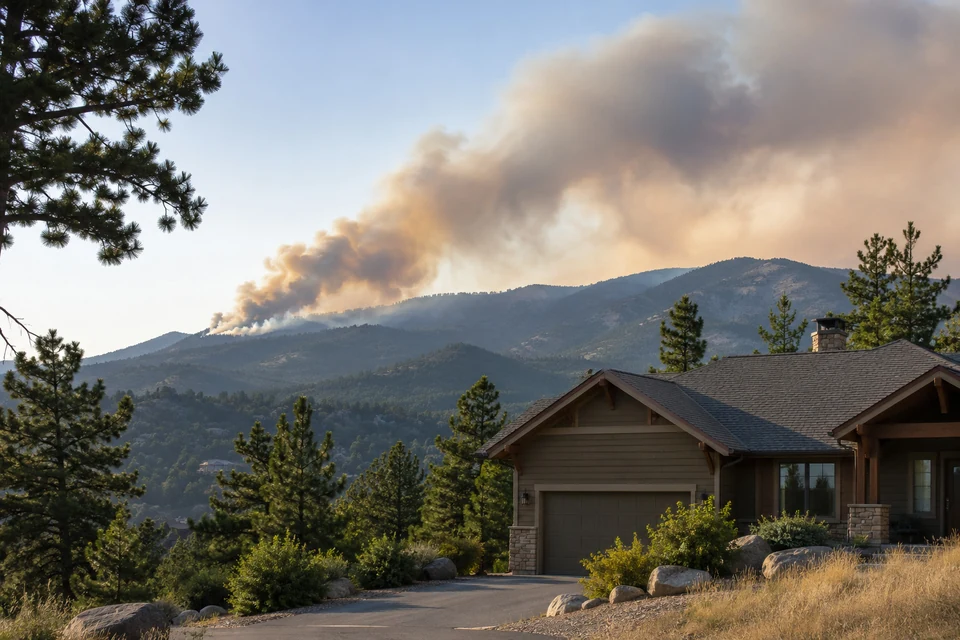
A forest fire occurs nearby. You notice a strong odor of smoke in your home, even though the home has not burned.
A clear path forward after smoke damage
Don’t gamble on the health of your family.
Wildfire smoke can carry dangerous carcinogens into your home and can stay in your home for years
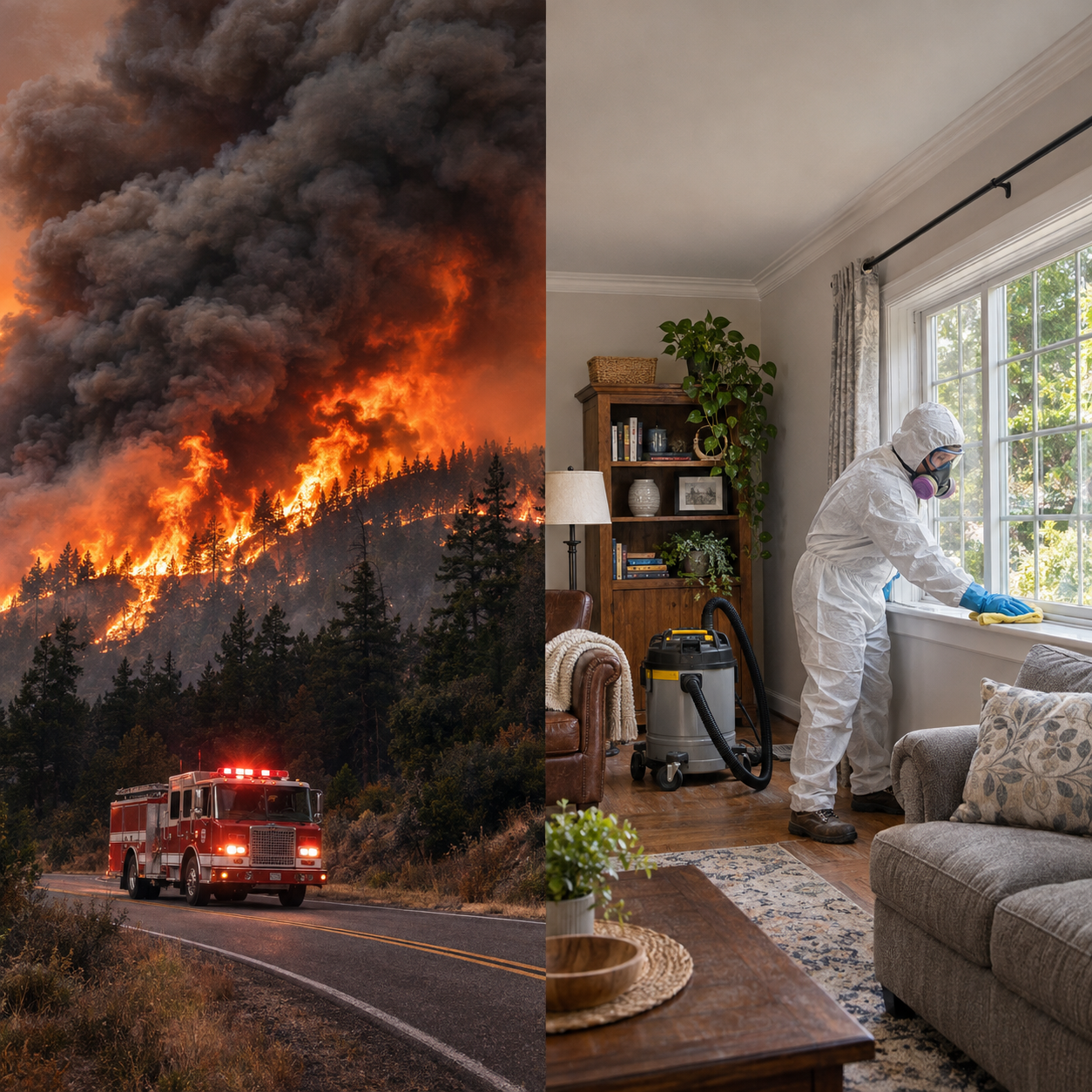
Illustrative concept: emergency response and indoor cleanup.
Captions are included. Unclear speech is marked [unclear].
Request a FREE analysis for your property.
Currently accepting requests for review. Instant analysis, branded reports and automatic report emails are not yet available. Submitting this form does not confirm contamination, insurance coverage or an appointment.
A forest fire occurs nearby. You notice a strong odor of smoke in your home, even though the home has not burned.
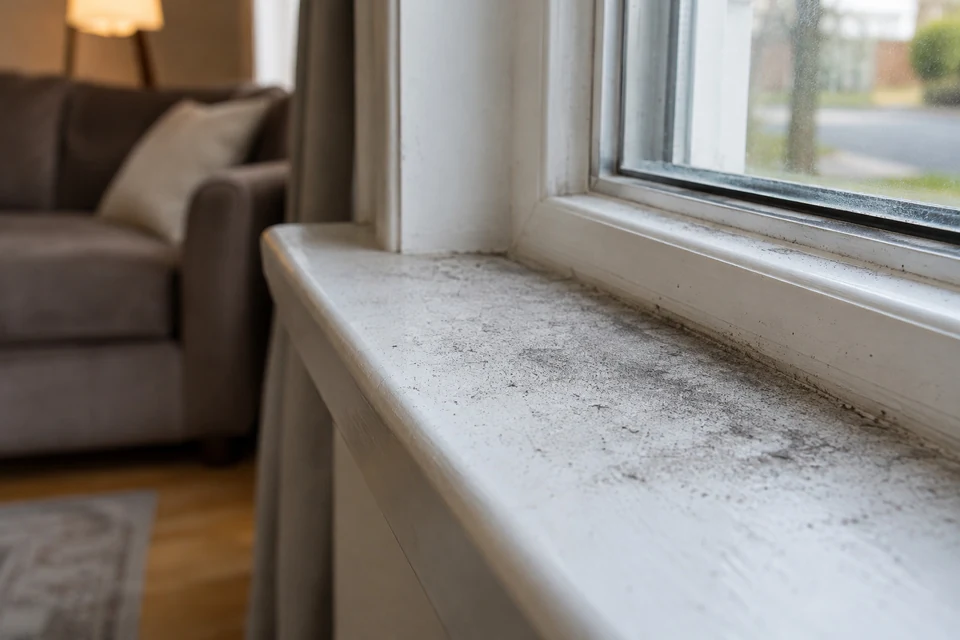
Opening up your windows, airing out your house and normal cleaning methods do very little to remove the contamination from your home
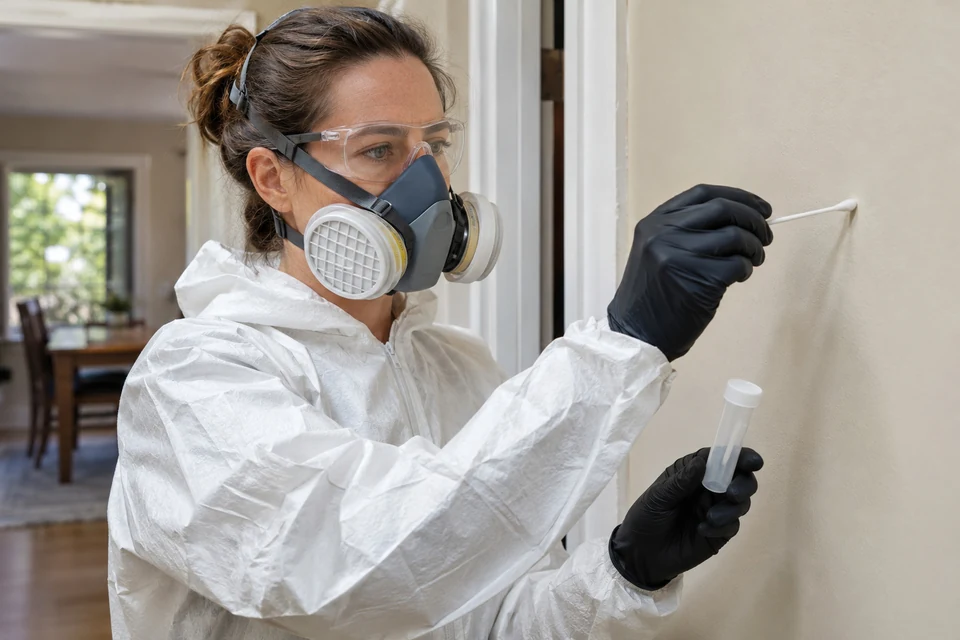
We professionally swab your home and send the samples to a laboratory for analysis.
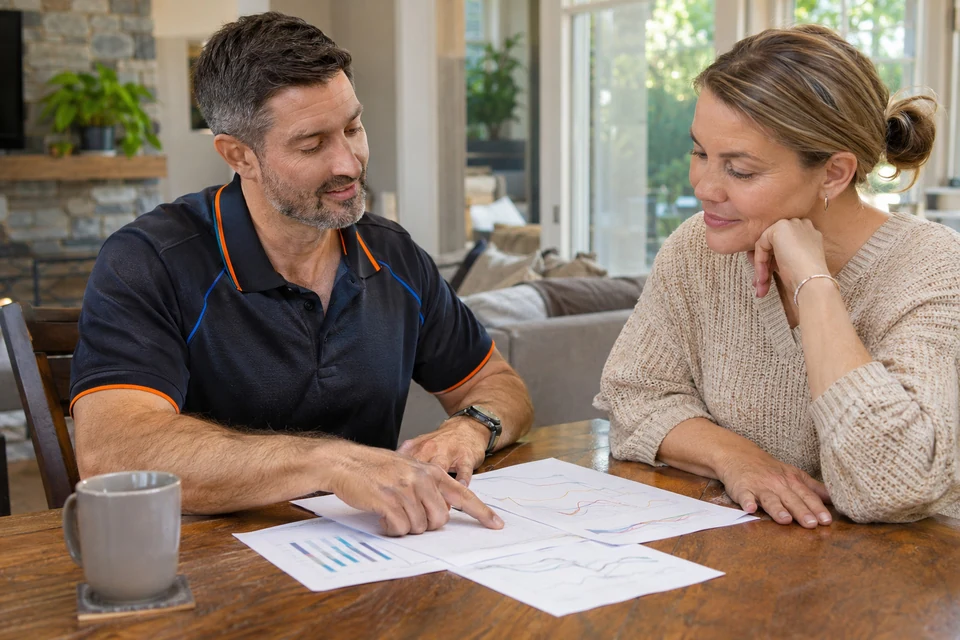
An independent state-licensed hygienist will determine the scope of the work that is needed to restore your home to pre-loss condition and safety

We walk you through the insurance process and work with your insurance company to document the damage. Coverage and approvals depend on your policy and insurer.
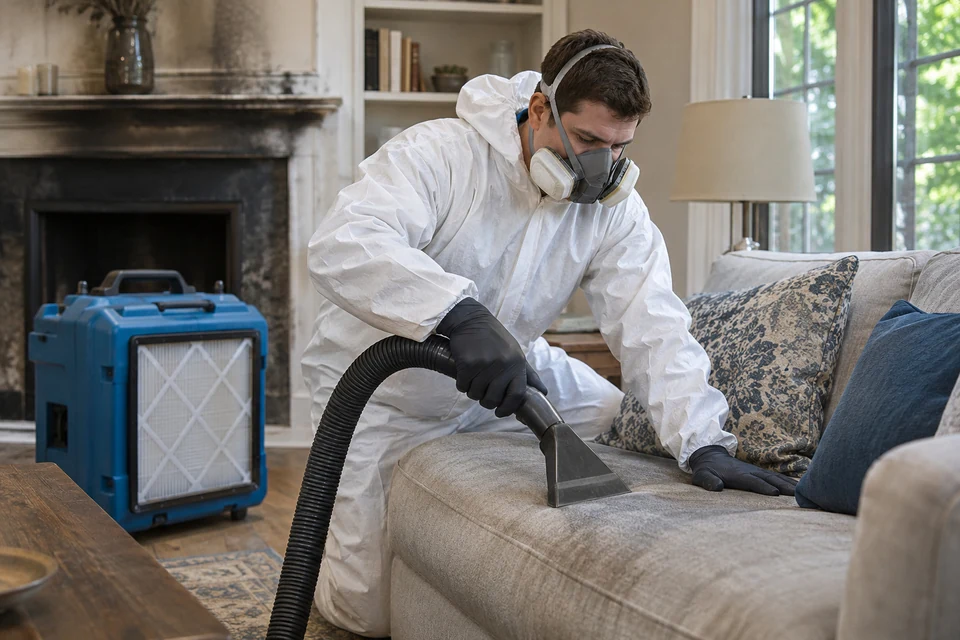
Once insurance negotiations are complete and you authorize the scope, we perform the agreed restoration work to return your home to its pre-loss condition. Restoration can take several days.
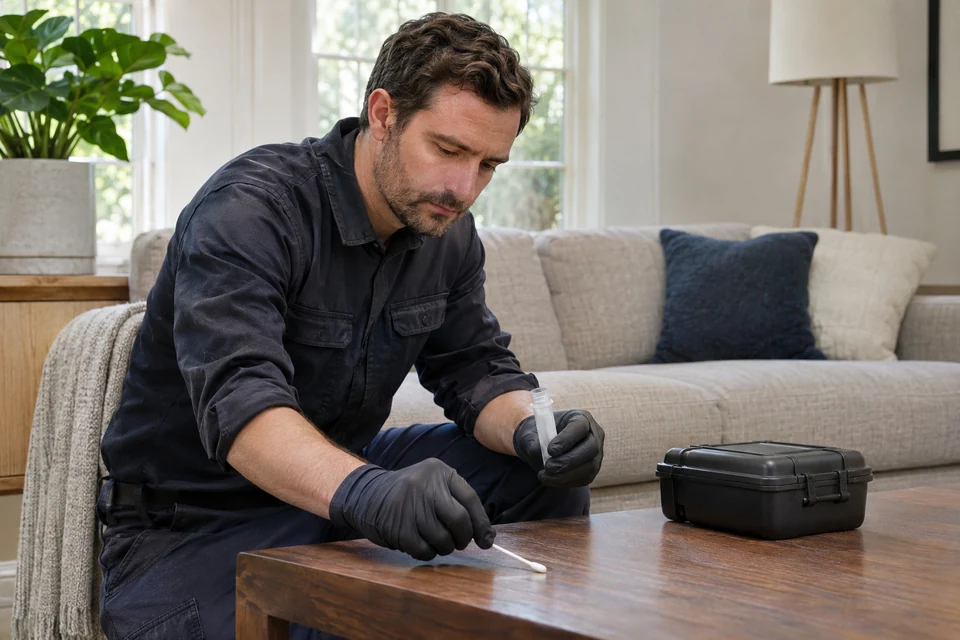
Once cleaning is complete, we send another independent, state-licensed hygienist to test your home. When the results come back clean, we provide clearance from the hygienist and Smoke Restore, along with a warranty on our work.
Illustrations show the process. Testing documents the samples analyzed; it does not establish the absence of every contaminant or issue an official certificate of occupancy.
30 answers about smoke damage, testing, insurance and restoration.
Yes. Smoke contains microscopic soot, carcinogens, and toxic chemicals that can irritate the lungs, trigger asthma, worsen allergies, and pose long-term health risks—especially for children, the elderly, and those with respiratory conditions.
Smoke particles embed deep into porous materials like drywall, furniture, clothing, and HVAC systems. Standard cleaning only addresses surface odors and does not remove microscopic contaminants.
Yes. Smoke from nearby fires, wildfires, or neighboring units can travel through ventilation systems and wall cavities, leaving harmful residues without visible fire damage.
Soot is a fine black residue created by incomplete combustion. It contains toxic chemicals that can be inhaled or absorbed through skin contact, making professional removal critical.
We perform initial swab testing and, if needed, bring in a state-licensed industrial hygienist who conducts professional testing and sends samples to certified laboratories.
An industrial hygienist is a licensed professional trained to identify environmental health hazards and determine what is required to make a home safe for occupancy again.
Because smoke damage is often invisible. Scientific testing provides objective proof of contamination and ensures proper insurance documentation.
In most cases, yes. Smoke damage is typically a covered loss. We provide all testing reports and documentation required for insurance approval.
Most smoke damage claims are paid directly by insurance, subject to your policy terms and deductible. We work with your carrier to minimize out-of-pocket costs.
If laboratory results confirm the home is within safe limits, the hygienist issues a clean bill of health and no further action is required.
A clean order is a written scope issued by the hygienist detailing exactly what must be cleaned or restored to make the home safe again.
Depending on contamination levels, temporary relocation may be recommended for safety. This is determined by the hygienist’s findings.
A pack-out involves carefully removing all contents from the home so they can be professionally cleaned in a controlled environment.
In many cases, yes. Specialized cleaning methods can safely restore furniture, textiles, and personal belongings.
No. We remove contaminants at the source. Odor masking does not eliminate health risks and is not part of our process.
Timelines vary based on contamination levels, testing results, and insurance approval, but we move as quickly as safety and documentation allow.
Yes, if testing or inspection shows contamination. HVAC systems often spread smoke particulates throughout the home.
Yes. Fire damage is structural and visible, while smoke damage is often invisible and chemical in nature, requiring specialized remediation.
Prolonged exposure to smoke contaminants has been linked to respiratory issues, cardiovascular stress, and increased cancer risk.
Yes. Children and pets are more vulnerable due to smaller body size, developing lungs, and closer contact with floors and surfaces.
Yes. We manage documentation, reporting, and communication with your insurance carrier throughout the process.
We handle fire smoke, wildfire smoke, cooking smoke, electrical smoke, and smoke from neighboring units or buildings.
Yes. We use industry-approved, scientifically supported cleaning methods designed to remove harmful residues without introducing new hazards.
Final verification and certification are issued confirming the home meets health and safety standards.
Yes. You receive lab results, hygienist reports, and a certified clean bill of health.
Yes. Smoke residue can corrode internal components, reducing lifespan or causing failure if not properly cleaned.
DIY cleaning rarely removes microscopic contaminants. Professional testing can still determine if hidden hazards remain.
No. Many of the most dangerous contaminants are invisible and odorless.
Immediately. The longer smoke residues remain, the deeper they embed into materials and the harder they are to remove.
We use science, licensed professionals, laboratory testing, and insurance-approved processes to ensure your home is not just clean—but safe to live in again.
For an active fire or immediate danger, contact emergency services first.